
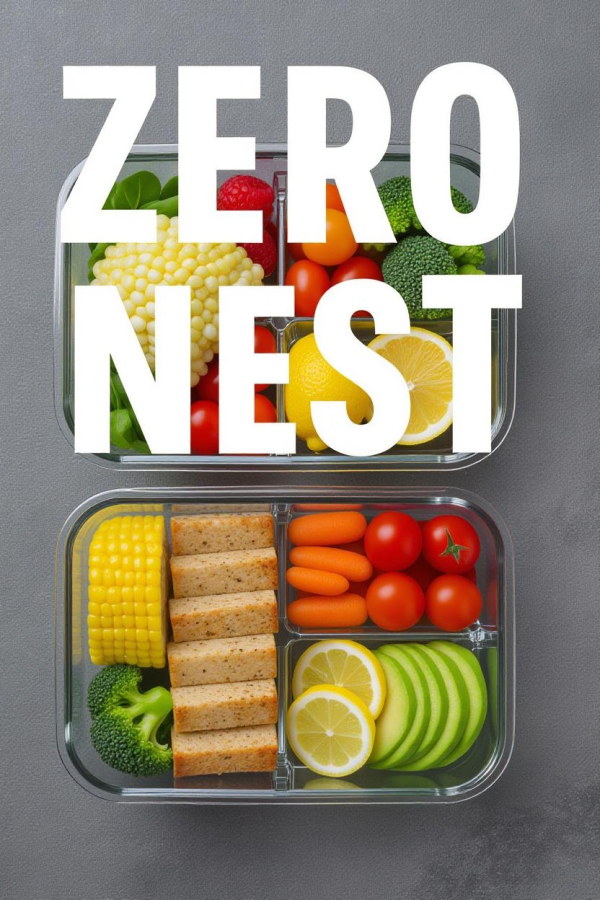
The Hidden Cost of Spontaneous Eating
The average North American household wastes between 15% and 25% of the food they purchase, translating directly to hundreds, if not thousands, of dollars thrown into the garbage annually. This “food waste tax” is the single biggest hidden killer of your grocery budget.
While you might focus on finding cheaper ingredients (as we discussed with cost-per-gram protein), the more powerful saving strategy is to ensure 100% of the food you buy is consumed.
Zero-Waste Meal Prep is the financial solution. It is not just about packing lunch; it’s a strategic system that uses every part of an ingredient, minimizes spoilage, and maximizes the return on your grocery investment.
1. The Financial Impact of Strategic Meal Planning
Before diving into preparation techniques, understand the core financial mechanics of why meal prep saves money:
A. Impulse Control
- Problem: Unplanned trips to the grocery store or last-minute take-out orders.
- Solution: A meal prep plan eliminates the daily decision fatigue that leads to impulse purchases. If your meals are already portioned and ready, you won’t buy expensive lunch items or spontaneous groceries that spoil later.
B. Bulk Buying Efficiency
- Problem: Buying small quantities of specialized ingredients that go bad quickly.
- Solution: Meal prep relies on bulk ingredients (rice, beans, potatoes, cheap protein) that are purchased at lower wholesale prices. You then strategically use these bulk items across multiple meals, ensuring you finish the entire bag or container before it expires.
C. Leveraging Leftovers (The “Cook Once, Eat Thrice” Rule)
- Problem: Cooking too much for dinner, then letting the small amount of leftovers rot in the fridge.
- Solution: Intentional batch cooking. A single cooking session yields a base ingredient (e.g., roast one whole chicken) that is then strategically repurposed into three distinct meals:
2. Advanced Zero-Waste Preparation Techniques
To truly achieve zero-waste savings, you must utilize parts of the food traditionally discarded.
A. Root-to-Stem and Nose-to-Tail Principles
- Vegetable Scraps: Instead of throwing away carrot tops, onion skins, and celery ends, freeze them in a dedicated container. Once the container is full, use the scraps to make a flavorful vegetable stock or broth, saving you the cost of store-bought stock.
- Broccoli Stems: Do not discard broccoli stems. Peel them and slice them into coins. They are delicious when roasted or tossed into a slaw, offering additional fiber and nutrients.
- Citrus Peels: Zest citrus fruits (lemons, limes) before juicing them. The zest can be frozen or mixed with sugar to make a bright, zero-waste seasoning blend.
B. Strategic Freezing and Preservation
The freezer is your most powerful anti-waste tool.
- Freezing Herbs: Herbs (cilantro, parsley, dill) often spoil first. Chop them finely and freeze them in olive oil or water in an ice cube tray. These “herb cubes” can be dropped directly into soups or sauces for instant flavor.
- Meat Portions: When buying protein in bulk, immediately divide it into single-meal portions (e.g., 4 oz chicken breasts) and freeze them flat in freezer bags. This prevents spoilage and eliminates the need to defrost an entire package for one meal.
- Dairy: Freeze excess milk, cheese, and even butter if you won’t use it quickly. While the texture of some items might change slightly, it remains perfectly fine for cooking and baking.
3. The Tool Investment (The ROI of Prep Gear)
While zero-waste meal prep can be done with basic kitchen tools, investing in a few key items offers a high Return on Investment (ROI) by simplifying the process and improving food preservation.
By treating your kitchen and meal planning like a disciplined financial system, you transform food waste from a budget burden into measurable weekly savings.

I’m a dedicated content creator and researcher with a strong passion for technology, innovation, and digital culture. At Howh.net, I focus on delivering well-researched, accurate, and engaging articles that help readers understand complex topics in a simple and practical way. My goal is to inform, inspire, and make reliable information